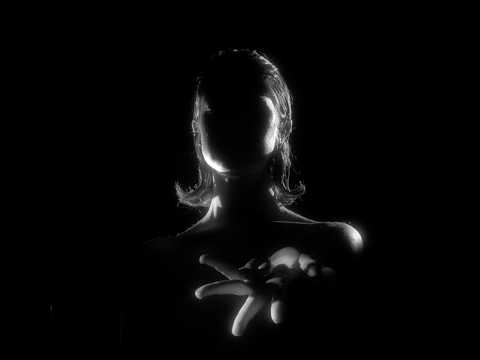
Album Review: Lucy Kruger & The Lost Boys - Pale Bloom (Unique Records)
ALBUM REVIEW
ADD TO READING LIST
WRITTEN BY STEVE RICKINSON
Pale Bloom opens with a question many of us have heard across our lives: how does your garden grow? The nursery rhyme, “Mary, Mary Quite Contrary”, is pulled apart; the original’s garden swapped for a stunted forest. Lucy Kruger starts singing alone, no drums for the first stretch of the track. This is the seventh album from Lucy Kruger & The Lost Boys, a South African songwriter and her Berlin-based ensemble, crafted over five years and released in February. The album develops with unhurried patience, and by the third song, enjoyment tangles with disquiet into a captivating narrative.
Friday, October 2, 2026
LIVE
ctrl18 LIVE: Liars [USA/AU], Lucy Kruger & The Lost Boys [DE/SA]
The band has circled this sound for a decade. The Tapes trilogy explored displacement, written during the move from Cape Town to Berlin. Sleeping Tapes whispered beside insomnia pre-move; Transit Tapes (for women who move around) documented the journey. Teen Tapes flowed into obsession. Heaving dove into the body. A Human Home was pieced together from isolated voice notes. There’s also an implicit joke in the band’s name. The Lost Boys of the 1987 film are children trapped at one age by something ravenous, and Kruger leads a group named for them while dissecting a girlhood that seemingly wouldn’t let her grow up on time.
“Bloom” drags the Mary Mary rhyme into an interrogation, answering with a garden no one would willingly choose, where the flowers are pressed flat, and petals are explicitly tagged. In this garden, “My garden is anaemic My petals pressed in rows / I've labelled them for meaning”. “Animal/Symbol” does comparable violence to “Catch a Falling Star”; its melody left intact, but the underlying harmony walks away with worse intentions. With an Einstürzende Neubauten vibe, “Ambient Heat” chants way past the point of sense, thinning out with each recitation. Partway through, Kruger interrupts herself to say she is making a song out loud.
In the end, the playing makes this repetition feel like nocturnal folk. Minimal and unhurried, the entire album is a slow burn by construction; elevated horror for the art-rock crowd. The album’s pacing recalls Low, with patience for a consistent volume that turns sound into (rainy) climate.
Apropos of this, “Damp” is narcotic and bass-heavy, a trip-hop Mazzy Star drifting through a Goth purgatory that blurs love and divinity. These shadows have followed the band since Heaving, though on Pale Bloom, the darkness rises from the collection of the songs, not just the production.
“Nectarine” tears prayer into fear swallowed young, turning wild in its choral calls for the branches to “reach me”. “Woolf” steps into Virginia Woolf’s walk to the water, and the form Michael Cunningham gave it in The Hours, occupying a life already built the way the other songs occupy tunes already written. “Adder,” lurks beneath the bed. A “stiff-winged angel then arrives and “Sings of my failure…Unable to bring me sleep”.
In “Fawning,” Kruger admits the rhyming and the dancing were hollow, then begs not to be forgotten. The word itself is framed as a survival instinct, submitting to whoever holds the power. It also means a young animal on shaky legs. The last sound on Pale Bloom is a plea to be remembered.
Pale Bloom lands as the strongest album of Kruger's career. Seven records in, she has fully turned into the material that formed her, rather than writing around its perimeters. This is the version of Lucy Kruger & The Lost Boys worth starting with, gothic art-pop built on lived memory over borrowed atmosphere.